Apple Variety Guide
FIND YOUR FAVORITE APPLE
At Appleland, our apples ripen throughout the season, giving you something new to look forward to from late August through fall.
EARLY SEASON APPLES
Late August – Early September
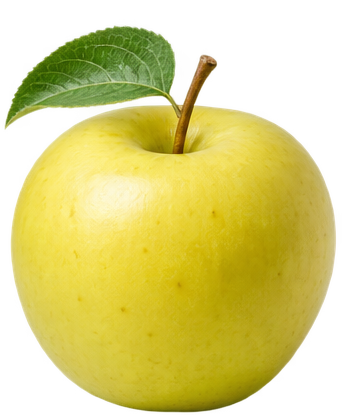
Ginger Gold
Late August
Sweet with a mild tartness, Ginger Gold has a fine-textured, crisp, cream-colored flesh.
Best for: Fresh eating • Salads • Baking • Applesauce
Appleland Tip: Ginger Gold is very slow to turn brown when cut, making it an excellent choice for fresh-cut apples.
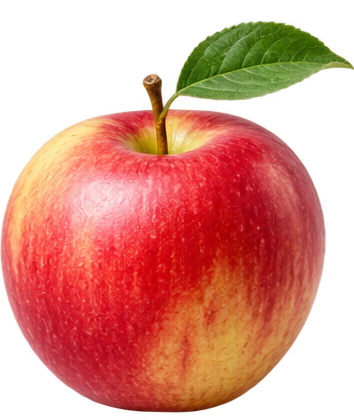
Paula Red
Late August
Tart, juicy and crisp with white flesh.
Best for: Fresh eating • Baking • Applesauce
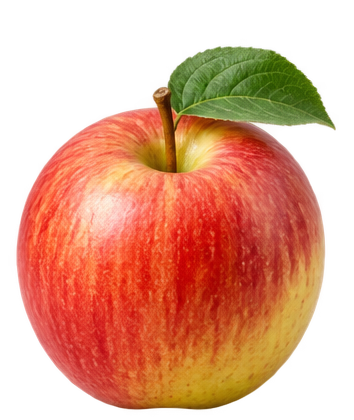
Zestar
Early September
An early-season apple with a crisp, sweet-tart flavor.
Best for: Fresh eating • Salads • Baking • Applesauce
Appleland Tip: Zestar maintains a great crunch when stored properly.
Find Your Favorite Apple
At Appleland, our apples ripen throughout the season, giving you something new to look forward to from late August through fall.
Each variety has its own flavor, texture and best uses. Whether you’re looking for a crisp apple to eat fresh, the perfect apple for a pie, or a variety that makes wonderful applesauce, there’s an Appleland apple for you.
Availability changes as the season progresses. Check our “What’s Available Now” information before your visit for the varieties currently being picked and sold.
SEPTEMBER APPLES
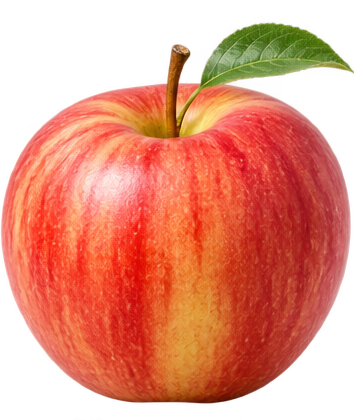
Honeycrisp
Early September
Sweet, tart, extremely juicy and wonderfully crisp.
Best for: Fresh eating • Salads • Baking
Appleland Tip: Honeycrisp makes delicious, dried apple chips.
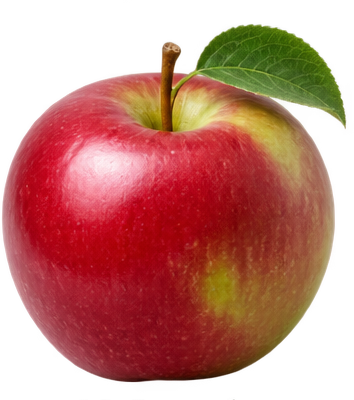
McIntosh
Early to Mid-September
Slightly tart, crisp and very juicy.
Best for: Fresh eating • Salads • Baking • Applesauce • Freezing
Appleland Tip: McIntosh has tender flesh that cooks down quickly. If you’re making a pie, you may want to add a thickener.
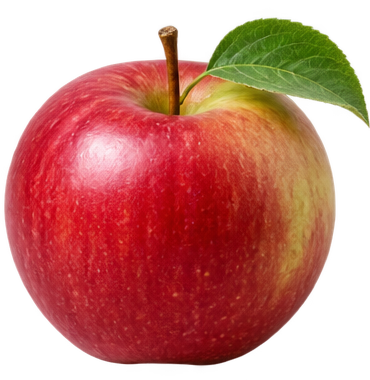
Cortland
Mid-September
Sweet with a hint of tartness, Cortland is juicy with white flesh.
Best for: Fresh eating • Salads • Baking • Applesauce • Freezing
Appleland Tip: Cortland is wonderful for fruit plates and garnishes because it doesn’t turn brown quickly after being cut.

Gala
Mid to Late September
Sweet with crisp, yellow flesh.
Best for: Fresh eating • Salads • Baking
Appleland Tip: Gala’s smaller size, mellow flavor and thin skin make it a favorite for kids.
OCTOBER APPLES
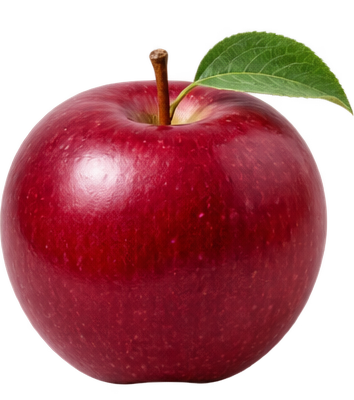
Empire
Early October
More sweet than tart, with an extra-crisp texture and white flesh.
Best for: Fresh eating • Salads • Baking • Applesauce • Freezing
Appleland Tip: Its smaller size makes Empire a great choice for school lunches. Kids love its sweetness and crunchy texture.
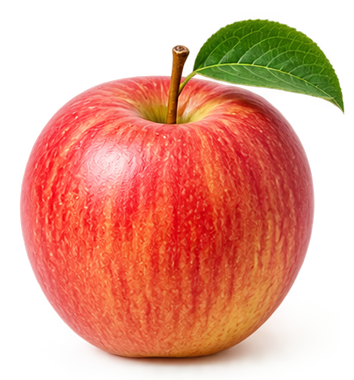
Fuji
Early October
Very sweet, firm, crisp and juicy.
Best for: Fresh eating • Salads • Baking
Appleland Tip: Fuji applesauce needs little to no added sugar.
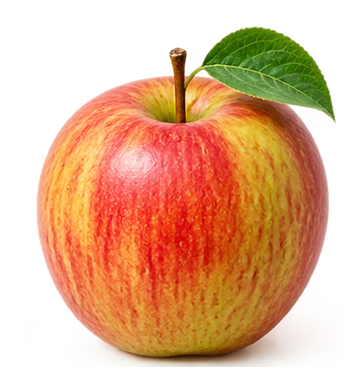
Jonagold
Early October
Aromatic with honey-like flavor notes and a tangy-sweet taste. The flesh is creamy and pale yellow.
Best for: Fresh eating • Salads • Baking • Applesauce
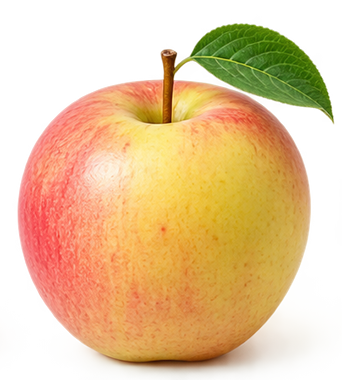
SnowSweet
Early October
Deliciously sweet with a slightly tart taste. SnowSweet has snow-white flesh and a crisp texture.
Best for: Fresh eating • Salads • Baking
Appleland Tip: SnowSweet’s white flesh is very slow to brown when cut, making it a great choice for salads.
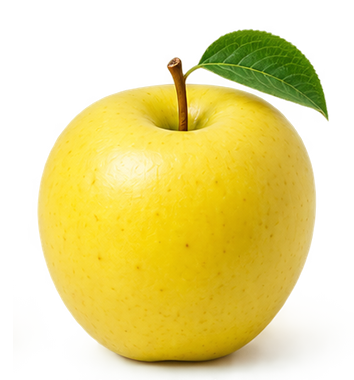
Golden Delicious
Mid-October
Sweet and mellow, crisp and juicy.
Best for: Fresh eating • Salads • Baking • Applesauce • Freezing
Appleland Tip: Golden Delicious can help reduce the amount of sugar needed when baking or making applesauce.
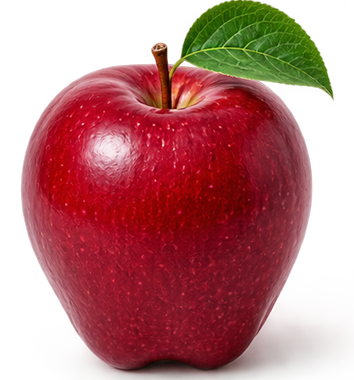
Red Delicious
Mid-October
Sweet, crisp yellow flesh and juicy.
Best for: Fresh eating • Salads
LATE SEASON APPLES
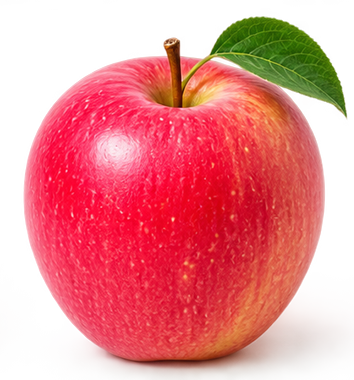
Pink Lady
Late October to Early November
Gorgeous rosy blush with refreshing sweetness in every bite.
Best for: Fresh eating • Salads • Baking
Appleland Tip: Pink Lady stores extremely well and is a great choice for dehydrating.
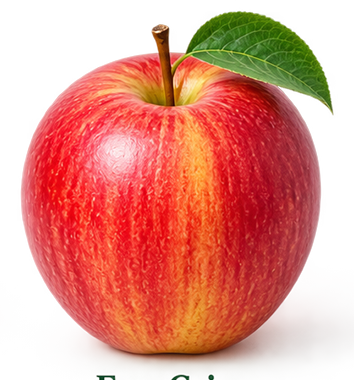
EverCrisp
Late October to Early November
A sweet, delicious apple with a powerful crunch.
Best for: Fresh eating • Baking • Applesauce
Appleland Tip: EverCrisp is a cross between Honeycrisp and Fuji.
WHICH APPLE IS RIGHT FOR YOU?
Find the perfect apple for what you love.
Looking for a sweet, crisp apple?
Try Honeycrisp, Fuji, Gala, Empire or EverCrisp.
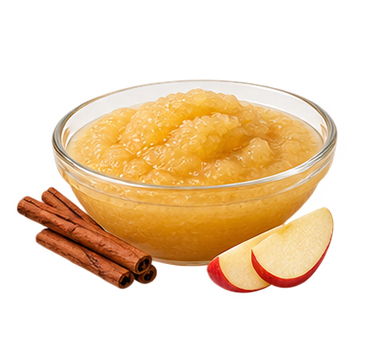
Making applesauce?
Try Fuji, Golden Delicious, Jonagold, McIntosh or EverCrisp.
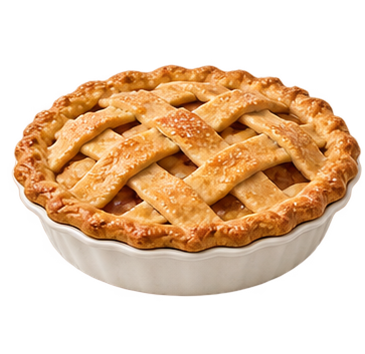
Making a pie or other baked treats?
Try Cortland, Empire, Golden Delicious, Ginger Gold, McIntosh, Jonagold or Zestar.
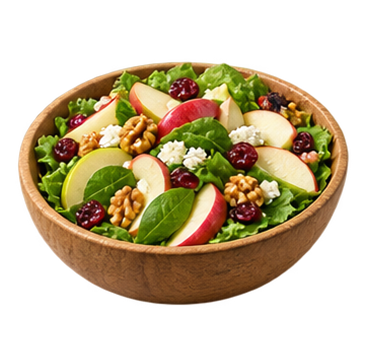
Making a fresh fruit plate or salad?
Try Cortland, Ginger Gold or SnowSweet—all are especially useful when you want apples that stay lighter in color after cutting.
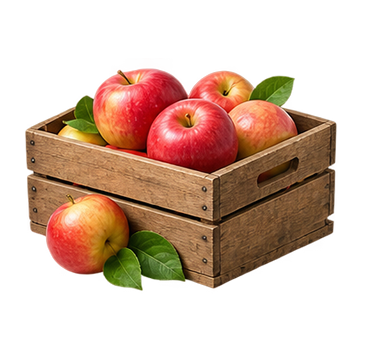
Looking for an apple that stores well?
Try Pink Lady or EverCrisp.
HOW MANY APPLES DO I NEED?
Planning to bake a pie, make applesauce, or stock up for the season? Here’s a helpful guide to choosing the right amount.
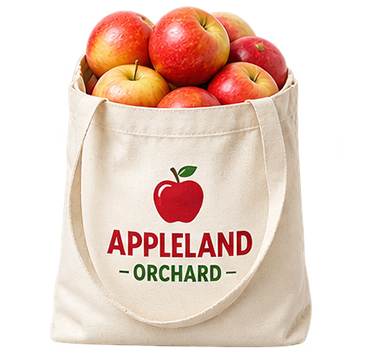
5-LB BAG
About 15-18 apples
What you can make:
- 2-3 pies
- 1 large batch of apple crisp
- About 2 quarts applesauce
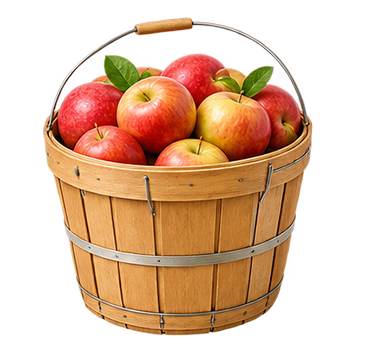
1/2 PECK
About 5-7 lbs.
15-22 apples
What you can make:
- 2-3 pies
- Several apple crisps
- About 2-3 quarts applesauce
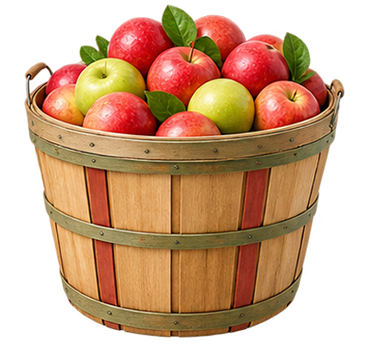
1 PECK
About 10-14 lbs.
30-44 apples
What you can make:
- 5-7 pies
- A large batch of apple crisp
- About 4-6 quarts applesauce
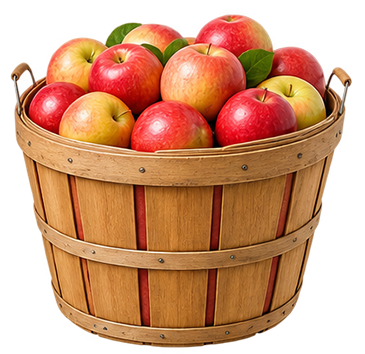
1/2 BUSHEL
About 20-24 lbs.
60-75 apples
What you can make:
- 10-12 pies
- Mulitiple batches of crisp
- About 8-12 quarts applesauce
Apple size varies by variety, so quantities are approximate.
NOT SURE HOW MUCH TO PICK?
For eating fresh, start with a 5-lb bag or ½ peck. If you’re planning to bake, make applesauce, or store apples for later, a peck or ½ bushel gives you plenty to work with.
HELPFUL APPLE TIPS
A little apple know-how goes a long way!
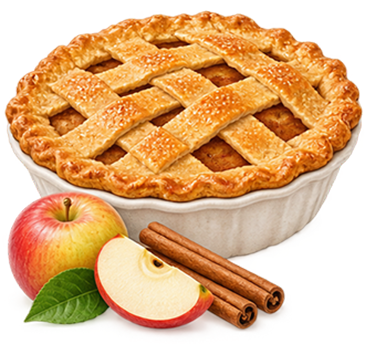
FOR BAKING
Mix and match! Different apple varieties can create a more flavorful pie, crisp, or cobbler. A combination of sweet and tart apples can give your dessert a wonderful balance of flavor.
Tip: Apples vary in sweetness, firmness, and juiciness, so baking results can vary by variety.
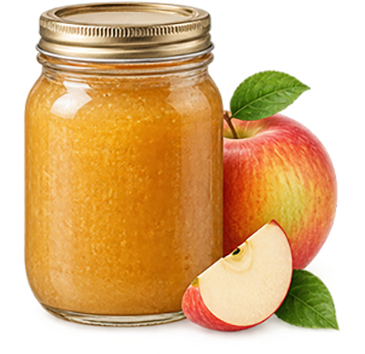
FOR APPLESAUCE
Choose apples that soften well when cooked. Sweeter apples can make a naturally sweet applesauce, while a more tart variety adds a little extra flavor.
Tip: You can mix varieties to create your own favorite applesauce flavor.
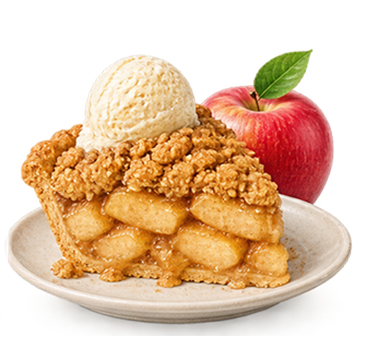
FOR PIES & CRISPS
Don’t peel more than you need! If you’re making an apple crisp or rustic dessert, leaving some or all of the peel on can add color, texture, and flavor.
Tip: For a traditional pie, choose apples that hold their shape when baked.
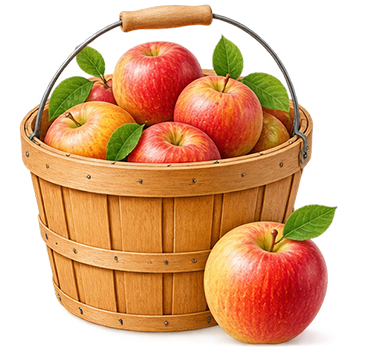
FOR U-PICK
Pick a little of several varieties! It’s a fun way to discover which apples your family likes best—and you’ll have different apples for snacking, baking and cooking.
Tip: Varieties ripen at different times throughout the season, so what’s available in the orchard changes as the season progresses.
New Apple to Try Every Time You Visit
One of the fun things about visiting Appleland throughout the season is that different varieties are ready at different times.
Stop by the market and see what’s ripe!
Availability varies throughout the season, so be sure to check!
STORING YOUR APPLES
Some apples are meant to be enjoyed right away. Others are excellent keepers. If you’re bringing home a larger quantity, a little extra care can help your apples stay fresh longer.
KEEP THEM COOL
KEEP THEM DRY
CHECK THEM REGULARLY
PROTECT THEM FROM FREEZING
PLANNING TO STORE APPLES FOR SEVERAL WEEKS OR MONTHS?
Look for varieties identified in our guide as Good Keepers or Excellent Keepers.